More than a decade after the underwhelming debut and swift discontinuation of its Fire Phone, Amazon is reportedly embarking on a high-stakes return to the smartphone market. This new initiative, internally codenamed “Transformer,” signals a significant strategic pivot, moving beyond traditional smartphone competition to focus heavily on artificial intelligence (AI) and deep integration with Amazon’s vast ecosystem.
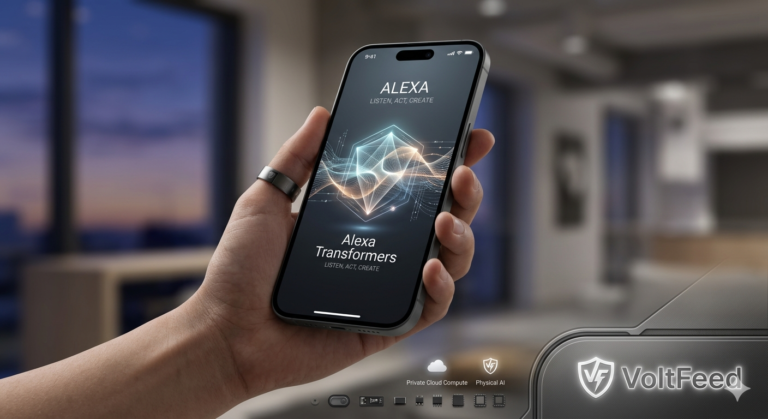
Our collective memory of the Fire Phone’s struggles — from its high price point to a limited app selection and features of limited interest — serves as a stark reminder of the challenges Amazon faces in the competitive mobile landscape. However, this new Amazon AI Phone Project appears to be a fundamentally different endeavor, aiming to create a device with a genuinely compelling reason to exist in an AI-driven era.
The original Fire Phone, launched in 2014 under the direct oversight of Jeff Bezos, was an ambitious but ultimately unsuccessful attempt to challenge market leaders like Apple and Samsung. It was criticized for its initial $650 price tag, which was quickly slashed to 99 cents with a two-year contract due to sluggish sales.
The device’s reliance on Amazon’s proprietary Appstore, lacking popular Google applications, and features like “Dynamic Perspective” that failed to resonate with users, contributed to its demise within a year, resulting in a reported $170 million writedown. This time, Amazon’s approach with the Amazon AI Phone Project seems to be rooted in a more nuanced understanding of user needs and the evolving role of AI in daily life.
AI and Ecosystem Integration: The Core Strategy
At the heart of the “Transformer” project is a vision for an AI-driven mobile personalization hub. This device is designed to seamlessly sync with Amazon’s revamped Alexa voice assistant, which underwent a major AI rebuild in 2025, making it more capable and conversational. The goal is to provide a persistent connection to Amazon’s extensive ecosystem, streamlining user interactions for shopping on Amazon.com, streaming Prime Video and Prime Music, and even ordering from partners like Grubhub.
A key differentiating factor for this Amazon AI Phone Project is its potential to reduce or even eliminate the reliance on traditional app stores. Instead of downloading and managing individual applications, users would interact directly through Alexa and native AI-driven functions on the device. This innovative approach aligns with Amazon’s broader strategy of embedding ambient AI across a wide range of devices, from Fire TV sticks to Kindle Scribers, aiming to make technology feel more natural and less intrusive. The company has been accelerating its push into AI hardware, developing custom AI chips like Trainium3 and Trainium4 to power its AI models efficiently.
The “Transformer” project is reportedly housed within Amazon’s devices and services unit and led by a specialized innovation team called ZeroOne, headed by former Microsoft executive J Allard. Panos Panay, who leads Amazon’s broader devices division, is also involved, focusing on making the unit profitable.
Market Positioning and Potential Roadblocks
Amazon’s re-entry into the smartphone market with the Amazon AI Phone Project comes at a challenging time. The global smartphone market is projected to see a 13% drop in shipments in 2026 due to rising component costs. The market is also heavily dominated by Apple (31.5% global share) and Samsung (21.4%). Rather than directly competing on hardware specifications with these giants, Amazon’s strategy appears to be focused on leveraging its existing customer base and extensive service ecosystem.
The company is reportedly exploring two variants: a conventional smartphone and a more minimalist “dumbphone” with limited features, potentially appealing to users looking to reduce screen time. The latter is inspired by devices like the Light Phone, suggesting a focus on essential communication and AI-assisted tasks over a full web browser or app store. This dual approach could allow Amazon to market a “dumbphone” as a secondary device to complement existing iPhones or Samsung Galaxies.
However, the path is not without significant hurdles. The “AI hardware graveyard” is already populated with devices like the Humane AI Pin and Rabbit R1, both of which attempted to create AI-native experiences without traditional app stores and faced poor critical receptions. While Amazon has the advantage of its robust Prime ecosystem, it must demonstrate a truly compelling user experience that justifies a new device in a saturated market. Furthermore, details regarding pricing, launch timeline, and financial commitment for the “Transformer” are still unclear, and sources caution that the project could still be canceled due to strategic shifts or cost concerns. Privacy concerns surrounding extensive data collection through an AI-driven device could also be a significant factor for consumers.
Frequently Asked Questions (FAQ)
What is the Amazon AI Phone Project?
The Amazon AI Phone Project, internally codenamed “Transformer,” is Amazon’s reported second attempt to enter the smartphone market, focusing heavily on AI integration and deep connectivity with its Alexa voice assistant and broader ecosystem of services.
How is this different from the original Fire Phone?
Unlike the Fire Phone, which attempted to compete directly on hardware and suffered from a limited app store and lukewarm features, the “Transformer” aims to be an AI-driven mobile personalization hub, potentially reducing reliance on traditional app stores by leveraging Alexa and native AI functions.
What kind of devices is Amazon exploring?
Amazon is reportedly exploring both a conventional smartphone and a minimalist “dumbphone” variant with limited features, inspired by devices like the Light Phone, to cater to users seeking to reduce screen time.
When is the Amazon AI Phone expected to launch?
There is no confirmed launch timeline or pricing for the Amazon AI Phone Project, and sources indicate that the project is still in development and could potentially be canceled.
What are the main challenges for this project?
Key challenges include entering a shrinking smartphone market dominated by established players, overcoming the past failure of the Fire Phone, and demonstrating a truly unique and compelling AI-driven user experience that avoids the pitfalls of other AI hardware attempts.
Conclusion: A Strategic Re-entry into Mobile
The Amazon AI Phone Project, codenamed “Transformer,” represents a bold strategic re-entry into the mobile hardware space for the e-commerce giant. Learning from the lessons of the Fire Phone’s past, Amazon appears to be sidestepping a direct confrontation with Apple and Samsung on traditional smartphone metrics. Instead, we see a clear focus on leveraging Amazon’s core strengths: its powerful AI capabilities, particularly the revamped Alexa, and its extensive ecosystem of services.
By positioning the device as an AI-driven mobile personalization hub designed to streamline access to Prime services and potentially minimize reliance on third-party app stores, Amazon aims to create a compelling new category of mobile device. While significant challenges remain in a competitive and evolving market, this Amazon AI Phone Project could redefine how we interact with our mobile devices, offering a unique, ambient AI experience deeply integrated into our daily digital lives.