In 2026, our smartphones are more than just communication devices; they are our digital wallets, personal assistants, and gateways to sensitive information. With this increasing reliance comes a heightened need for robust security. Traditional passwords are proving insufficient against sophisticated cyber threats, making Biometric Phone Security 2026 an essential topic for safeguarding our digital lives. We are witnessing a pivotal shift where biometrics are moving from a supporting role to the foundational layer of digital trust. This evolution is driven by both technological advancements and the escalating challenge of AI-powered fraud.
The Evolution of Biometric Authentication in 2026
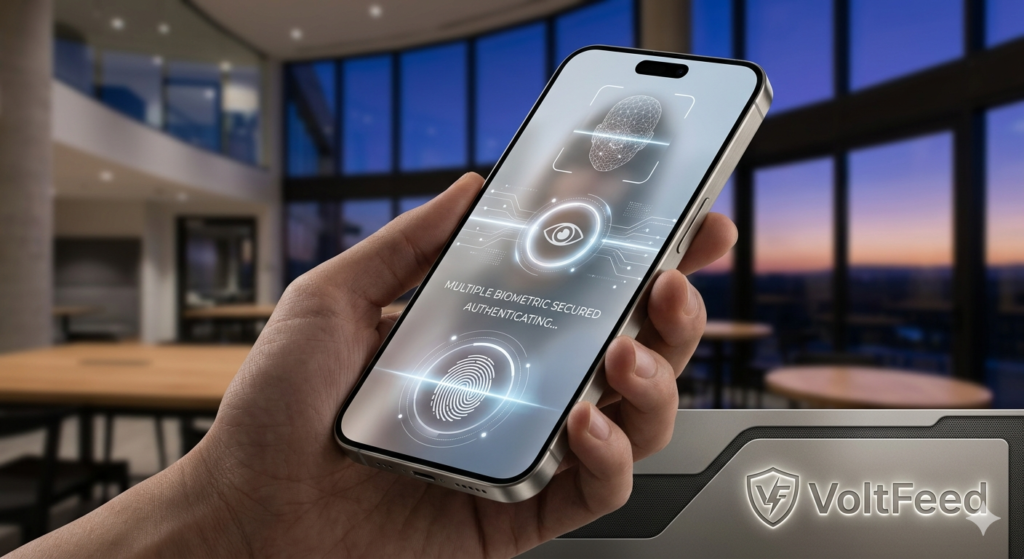
The landscape of biometric authentication in 2026 is marked by significant advancements, moving beyond simple fingerprint and facial scans. We are seeing a widespread adoption of more sophisticated and layered approaches.
- Multimodal Biometrics: Instead of relying on a single biometric factor, devices are increasingly combining multiple verification methods. This can include a blend of fingerprint recognition, facial recognition, iris scans, and even behavioral biometrics like voice recognition or typing patterns. This “multi-option” approach significantly reduces fraud risks and improves the accuracy and reliability of identity verification.
- AI-Enhanced Security: Artificial intelligence is deeply embedded in modern biometric systems. On-device AI enables faster local processing and improved detection of fraud attempts, such as masks, photos, and deepfakes. AI analyzes biometric data in real time to detect anomalies and prevent fraud, making authentication more robust even in challenging environments.
- Liveness Detection and Continuous Authentication: First-generation biometrics were sometimes vulnerable to spoofing with high-resolution photographs or silicone molds. However, in 2026, biometrics heavily rely on liveness detection and physiological depth to confirm a real, physical human being is present. Furthermore, continuous authentication is gaining traction, where systems constantly monitor user interactions and behavioral patterns to detect suspicious activities and prevent unauthorized access in real time.
- Passkeys and Human-Centric Identity: The adoption of passkeys is surging in 2026, working in conjunction with biometrics to replace traditional passwords. Passkeys abstract complex cryptography and are securely stored on the device, requiring biometric authorization (like a glance or touch) to log in. This approach shifts identity from being device-centric to human-centric, anchoring digital identity in the individual rather than just their device, which can be compromised.
Combating Emerging Threats: AI-Powered Fraud
The rise of artificial intelligence has introduced new, sophisticated tools for fraudsters, making AI-powered fraud a top concern in 2026.
- Deepfakes and Synthetic Identities: Generative AI allows criminals to create realistic deepfakes (synthetic media) and synthetic identities that can bypass outdated biometric systems. Reports indicate that one in five biometric fraud attempts involves deepfake manipulation. Injection attacks, where synthetic media is fed directly into authentication APIs, are also increasing annually.
- Impersonation Scams: AI-generated images and voice-cloning software enable fraudsters to create convincing impersonations, leading to a surge in scams. The ability to mass-produce realistic content in seconds makes these attacks more prevalent and harder to detect.
- Biometrics as the Defense: In response, biometrics, especially those incorporating modern liveness detection and advanced fraud prevention models, are becoming the default security layer. They offer a scalable way to differentiate humans from increasingly sophisticated AI agents, a task that traditional CAPTCHAs were never designed for. Organizations are increasingly adopting AI-powered identity verification and fraud prevention tools to protect customers and platforms.
Balancing Security, Privacy, and User Experience
Achieving a balance between robust security, user privacy, and a seamless user experience is a critical challenge for Biometric Phone Security 2026.
- Privacy Concerns and Regulations: Global privacy regulations around biometric data are tightening in 2026, with laws like Europe’s GDPR and the Illinois Biometric Information Privacy Act (BIPA) increasing enforcement. This means organizations must prioritize secure storage and governance practices for biometric templates.
- On-Device Processing: A key shift for privacy is the move towards processing biometric data locally on the user’s device (edge device), such as their phone. This ensures that raw biometric data never leaves the device in a usable form and is not stored in centralized cloud databases, which could be vulnerable to breaches. The device simply sends a cryptographic “Yes/No” token to the server, verifying identity without transmitting sensitive data.
- User Experience as a Differentiator: While security is paramount, a poor user experience can hinder adoption. In 2026, the industry has learned that great security with terrible user experience (UX) doesn’t get adopted. Companies are focusing on solutions that offer:
- Frictionless Authentication: Making authentication feel invisible when risk is low.
- Seamless Onboarding: Reducing the time and effort required for initial setup.
- Clear Prompts: Providing understandable guidance when step-up authentication is necessary.
However, there’s a nuanced discussion around privacy and convenience. While biometrics like Face ID are convenient, law enforcement can compel individuals to use biometric data to unlock devices, unlike passcodes or passwords. This highlights the importance of understanding personal privacy rights and managing device settings.
Comparison of Biometric Data Storage Models in 2026
ModelData LocationAccountabilityPrivacy ImplicationsLocal (Device-Native)On the deviceLacks external accountabilityHigh privacy (data stays on device)Centralized (Third-Party)Cloud storageEasier to link identity across devicesHigh risk if breachedDecentralized (Third-Party)Cryptographically secured on deviceAllows identity assuranceStrong privacy (data never leaves device in usable form)
Frequently Asked Questions (FAQs)
Q: What is multimodal biometrics? A: Multimodal biometrics involves using more than one physiological or behavioral characteristic to verify identity, such as combining facial recognition with a fingerprint scan or voice analysis.
Q: How does AI-powered fraud work? A: AI-powered fraud uses artificial intelligence to create highly realistic synthetic content like deepfakes or synthetic identities, enabling criminals to impersonate individuals or bypass traditional security measures.
Q: Is biometric data stored in the cloud? A: In 2026, there’s a strong trend towards on-device biometric processing, meaning raw biometric data is analyzed locally on your phone and does not reside in centralized cloud databases, enhancing privacy.
Q: Why are passkeys becoming so important for phone security? A: Passkeys significantly reduce phishing risk and eliminate the need for traditional passwords, offering a more secure and user-friendly authentication method that often relies on biometrics for authorization.