The global shift towards renewable energy sources and electric vehicles has amplified the demand for efficient and sustainable energy storage solutions. For decades, lithium-ion batteries have dominated this landscape, powering everything from our smartphones to electric cars. However, the increasing cost, uneven geographic distribution, and environmentally impactful extraction processes of lithium have driven a renewed interest in alternative battery technologies. Among these, Sodium-ion Batteries (SIBs) are emerging as a compelling and promising contender, offering a path toward more affordable, safer, and environmentally friendly energy storage. We are witnessing rapid advancements, moving SIBs from promising research to practical reality, with significant implications for how we store and utilize energy in the future.
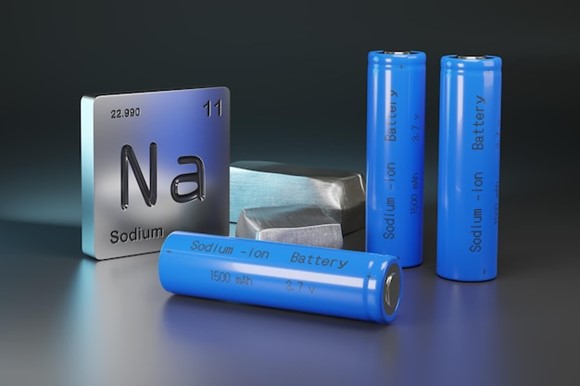
Understanding Sodium-ion Batteries
At their core, Sodium-ion Batteries operate on electrochemical principles remarkably similar to their lithium-ion counterparts. Both are “rocking chair” batteries, meaning they store and release energy by shuffling ions back and forth between two electrodes—a cathode (positive) and an anode (negative)—during charging and discharging. The key distinction, as the name suggests, lies in the charge carrier: SIBs utilize sodium ions (Na+) instead of lithium ions (Li+).
A typical sodium-ion battery consists of:
- Cathode: The positive terminal, often made from layered metal oxides, polyanionic compounds, or Prussian blue analogs. During charging, sodium ions leave the cathode and travel to the anode.
- Anode: The negative terminal, commonly using hard carbon due to its structural stability and compatibility with sodium. It receives sodium ions during charging and releases them during discharge.
- Electrolyte: A liquid or gel containing dissociated sodium salts (like NaPF₆ or NaClO₄ in organic solvents) that facilitates the movement of sodium ions between the electrodes while blocking electrons. Solid-state electrolytes are also being explored for enhanced safety.
- Separator: A barrier that prevents the anode and cathode from touching, allowing only ions to pass through.
When charging, an external energy source pushes sodium ions from the cathode through the electrolyte to the anode. During discharge, these ions flow back to the cathode, producing an electric current to power devices.
Advantages and Current Limitations
Sodium-ion Batteries bring several significant advantages to the table, making them an attractive alternative:
Advantages:
- Abundance and Cost-Effectiveness: Sodium is the sixth most abundant element on Earth, readily available in the Earth’s crust and oceans (e.g., as salt). This contrasts sharply with lithium, which is rarer and concentrated in specific geographic regions. This abundance translates into significantly lower raw material costs, potentially making SIBs 30-40% cheaper than lithium-ion batteries once manufacturing scales.
- Environmental Friendliness: The extraction and processing of sodium are generally less environmentally harmful than those for lithium, which can damage ecosystems and drain water resources. SIBs often do not require critical metals like cobalt or nickel, further reducing their environmental footprint.
- Enhanced Safety: SIBs generally exhibit better thermal stability and are less prone to overheating and thermal runaway compared to many lithium-ion chemistries, particularly those with high-nickel content. They also perform well in cold temperatures, with electrochemical reactions remaining efficient and electrolyte formulations optimized to prevent freezing.
- Supply Chain Resilience: Their reliance on globally abundant sodium can reduce supply chain risks and geopolitical dependencies associated with lithium, cobalt, and nickel.
Current Limitations:
Despite their promise, Sodium-ion Batteries still face challenges that researchers are actively addressing:
- Lower Energy Density: Currently, SIBs generally offer lower energy density (typically 100-160 Wh/kg) compared to lithium-ion batteries (200-250 Wh/kg). This means SIBs are bulkier and heavier for the same amount of stored energy, limiting their appeal for high-performance applications like long-range electric vehicles or mobile devices where lightweight solutions are crucial.
- Early Stages of Commercialization: While rapid progress is being made, SIBs are still in the early stages of mass production and are not yet as widely available as lithium-ion batteries. Scaling production efficiently and developing industry standards are critical for broader adoption.
- Cycle Life and Efficiency: Sodium ions are larger and heavier than lithium ions, which can lead to more mechanical stress and faster material degradation during cycling, potentially affecting cycle life. Ongoing R&D is focused on improving cycle life and overall efficiency.
- Voltage Characteristics: SIBs often have a wider voltage swing and a sloped discharge curve, which can make it challenging to utilize their full rated capacity without custom hardware, especially in existing systems designed for lithium-ion batteries.
Key Applications and Market Impact
Sodium-ion Batteries are poised to make a significant impact across several key sectors, particularly where cost-effectiveness, safety, and material abundance are prioritized over extreme energy density.
- Stationary Energy Storage: This is arguably the most promising market for SIBs. Their lower cost and robust safety profile make them ideal for large-scale applications like grid-level energy storage, stabilizing fluctuations from renewable sources (wind and solar), and providing backup power during outages. Forecasts indicate that stationary energy storage will account for a dominant share of the SIB market, with some predicting 70-72.7% by 2026.
- Electric Vehicles (EVs): While not yet competitive for long-range, high-performance EVs due to their energy density, SIBs are gaining traction in cost-sensitive segments. This includes:
- Electric two- and three-wheelers: Particularly in developing and emerging markets across Asia, SIBs offer a viable solution for these vehicles. Companies like Yadea have already introduced SIB-powered electric scooters.
- Low-cost, entry-level EVs and public transportation: SIBs can enable more budget-friendly EVs and are suitable for urban vehicles with shorter ranges (around 250 km). Chinese manufacturers like CATL and Chery have already launched or announced plans for SIB-powered vehicles.
- Consumer Electronics: SIBs could provide a more cost-efficient and sustainable option for devices like smartphones, tablets, and wearables, reducing reliance on lithium and mitigating supply chain risks.
- Industrial Applications: Their safety and longevity make them suitable for industrial uses, including telecom backup systems.
The global Sodium-ion Battery market is experiencing rapid growth. It was valued at USD 270.1 million in 2024 and is projected to reach approximately USD 2.74 billion by 2034, with a Compound Annual Growth Rate (CAGR) of 26.1% from 2025 to 2034. Other reports forecast the market to reach USD 2.01 billion by 2030, growing at a CAGR of 24.7%. Asia Pacific is expected to dominate this market, holding a significant share (e.g., 60.22% in 2025).
The Road Ahead: Future Outlook and Development
The future for Sodium-ion Batteries is bright, with ongoing research and development focused on overcoming current limitations and expanding their capabilities.
- Material Science Innovations: Researchers are continuously improving electrode materials, including layered oxides, polyanionic compounds, and Prussian blue analogs for cathodes, and hard carbon for anodes. Advancements in structural modifications, compositional tuning, and surface engineering are enhancing energy density, cycle life, and rate performance.
- Bridging the Energy Density Gap: While SIBs may not immediately replace lithium-ion batteries in all high-performance applications, ongoing efforts aim to narrow the energy density gap. Mixed-ion battery packs, combining sodium-ion and lithium-ion cells, are also being explored to leverage the strengths of both chemistries.
- Scalability and Commercialization: Major battery manufacturers like CATL, BYD, and Natron Energy are investing heavily in scaling up production. CATL, the world’s largest lithium-ion battery manufacturer, announced mass production of SIBs in 2022 and unveiled a hybrid chemistry battery pack in 2024. Natron Energy launched commercial-scale SIB production in Michigan in April 2024, targeting data centers. These developments indicate a maturing field with growing commercial viability.
- Strategic Importance: For regions like Europe, Sodium-ion Batteries are gaining strategic importance as a way to reduce reliance on lithium imports and enhance energy security through locally sourced materials.
Experts believe that SIBs are unlikely to displace lithium-ion batteries entirely in the immediate future, especially in high-performance applications. Instead, they are increasingly viewed as a complementary technology, well-suited for scenarios where moderate energy density is sufficient and cost, safety, and sustainability are paramount. As Professor Stefano Passerini notes, “Sodium-ion batteries…are much more sustainable than lithium-ion batteries,” and once volumes are sufficient, recycling will become a business case, just like with iron.
Frequently Asked Questions (FAQ)
Q1: What is a Sodium-ion Battery?
A1: A Sodium-ion Battery (SIB) is a type of rechargeable battery that uses sodium ions (Na+) as the charge carriers to store and release energy, similar to how lithium-ion batteries use lithium ions.
Q2: How do Sodium-ion Batteries compare to Lithium-ion Batteries in terms of cost?
A2: Sodium-ion Batteries are generally expected to be more cost-effective than lithium-ion batteries due to the abundance and lower cost of sodium and other raw materials like iron and manganese. Some experts suggest they could be 30-40% cheaper.
Q3: Are Sodium-ion Batteries safer than Lithium-ion Batteries?
A3: Sodium-ion Batteries typically exhibit better thermal stability and are less prone to overheating and thermal runaway compared to many lithium-ion chemistries, contributing to a reduced risk profile.
Q4: What are the main applications for Sodium-ion Batteries?
A4: Key applications include large-scale stationary energy storage for grids and renewables, electric two- and three-wheelers, low-cost electric vehicles, and potentially consumer electronics.
Q5: What is the biggest limitation of Sodium-ion Batteries?
A5: The primary limitation of current Sodium-ion Batteries is their lower energy density compared to lithium-ion batteries, meaning they are typically larger and heavier for the same amount of stored energy.
Conclusion: A Promising Future for Sodium-ion Batteries
The journey of Sodium-ion Batteries from academic interest to commercial viability underscores a critical evolution in our approach to energy storage. Driven by the need for sustainable, affordable, and secure energy solutions, SIBs offer a compelling alternative to the dominant lithium-ion technology. While challenges such as energy density and scaling production remain, the rapid pace of innovation in material science and manufacturing processes is quickly addressing these hurdles.
We are not looking at a simple replacement of one battery chemistry with another, but rather the emergence of a complementary technology that can diversify our energy storage portfolio. With their abundant raw materials, lower cost potential, and enhanced safety, Sodium-ion Batteries are poised to play a crucial role in stationary grid storage, urban mobility, and various cost-sensitive applications. As global electrification accelerates, the continued development and adoption of SIBs will be instrumental in building a more resilient, sustainable, and equitable energy future for us all.