For years, our digital identities on WhatsApp have been inextricably linked to our phone numbers. This fundamental reliance, while straightforward, has often raised concerns about privacy and how our personal contact information is shared. However, a significant shift is on the horizon. WhatsApp is preparing to introduce a highly anticipated feature: the WhatsApp Username. This update represents a pivotal evolution in how we connect and communicate, offering enhanced privacy and greater control over our digital presence. We anticipate this transformative feature to roll out later in 2026, with June 2026 being a key deadline for businesses to adapt their systems.
Understanding WhatsApp Usernames: What You Need to Know
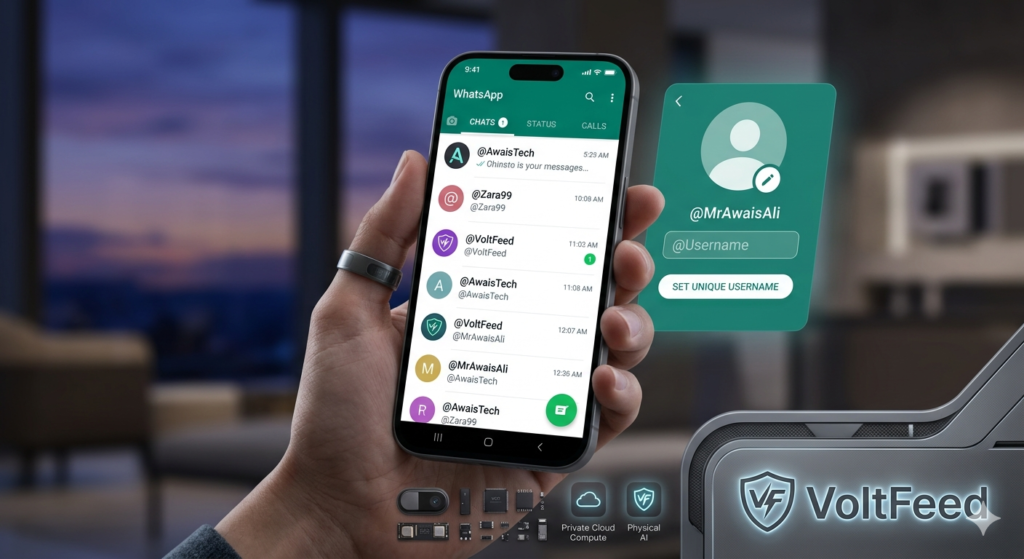
A WhatsApp Username is a unique, optional identifier that users can choose to represent themselves on the platform, much like handles on other social media applications such as Instagram or Telegram. This feature allows us to engage in conversations and join groups without exposing our personal phone numbers.
For individual users, the username will be displayed in one-on-one chats and group conversations, effectively masking the underlying phone number. While our phone numbers will still be essential for account creation, sign-in, and verification, the WhatsApp Username will become our public-facing identity.
Businesses will also benefit from this update, as they can adopt a unique business username to enhance their brand presence and discoverability. It’s crucial to note, however, that a business username will serve as an additional identifier and will not hide the business’s phone number. To support this, WhatsApp is introducing Business-Scoped User IDs (BSUIDs), a new backend identifier that businesses will use to recognize users who have adopted usernames.
Usernames will have specific formatting rules: they must be between 3 and 30 characters long, include at least one letter, and can use lowercase letters, numbers, periods, or underscores. They cannot start or end with a dot, nor can they contain “www” or “.com” to prevent misleading users. Each WhatsApp Username will be unique, ensuring a distinct identity for every user.
The Impact of Usernames: Benefits for Individuals and Businesses
The introduction of WhatsApp Usernames is set to bring a wave of advantages, fundamentally reshaping our interactions on the platform.
For Individuals
- Enhanced Privacy: Perhaps the most significant benefit is the ability to communicate without sharing our phone numbers. This means we can join new groups, interact with new contacts, or participate in online communities with greater peace of mind.
- Reduced Spam Exposure: By removing the direct link between our public identity and our phone number, the feature is expected to significantly reduce the chances of receiving unwanted spam or unsolicited messages.
- Greater Control Over Contacts: We gain more flexibility in choosing who can initiate contact with us, fostering a more secure and controlled messaging environment.
- Optional PIN Protection: For an added layer of security, users will have the option to set a PIN that must be entered before their username can be shared with new contacts.
For Businesses
- Improved Discoverability and Branding: Businesses can establish a memorable brand presence with a unique username, making it easier for customers to find and connect with them without needing to know a phone number. This moves businesses from “just a number” to a distinct identity.
- More Professional Presence: A branded username helps businesses project a more professional image, akin to other established social media platforms.
- Streamlined Customer Engagement: The underlying Business-Scoped User IDs (BSUIDs) will allow AI and human agents to recognize clients uniquely, even when their phone numbers are hidden, leading to smoother and more relevant conversations.
- Secure Customer Journeys: Customers may feel more comfortable and secure interacting with businesses when their phone number isn’t directly exposed, encouraging more open and frequent engagement.
Navigating the Transition: How to Adopt Your WhatsApp Username
Adopting a WhatsApp Username is designed to be a straightforward process, though businesses will have additional considerations.
For Individual Users
When the feature rolls out, we will be able to set and find our usernames within the app. The process is expected to be similar to changing display names:
- Update Your App: Ensure you have the latest version of WhatsApp installed.
- Navigate to Settings: Open WhatsApp and go to the settings menu.
- Access Profile: Tap on your profile photo at the top of the screen to enter your account settings.
- Create Your Username: A new option to create a username will appear. Choose a unique and memorable handle that represents you.
- Set Up Your PIN (Optional): For enhanced security, you may choose to set up a PIN for sharing your username.
It’s advisable to start thinking about your preferred username now, as each one is unique and will be claimed on a first-come, first-served basis. If you ever change your username, WhatsApp plans to notify your contacts in the chat with a system message.
For Businesses
Businesses leveraging the WhatsApp Business API will need to undertake specific steps to fully integrate the username feature:
- Update Systems for BSUIDs: Businesses must update their webhook integrations, CRM systems, and any connected automations or campaigns to handle the new Business-Scoped User IDs (BSUIDs) alongside existing phone numbers. This ensures continuity in messaging flows for users adopting usernames.
- Map BSUIDs to CRM Records: It’s crucial to map BSUIDs to existing CRM records to maintain comprehensive conversation history and customer profiles.
- Early Reservation: Some businesses may receive early access to claim usernames, often based on their existing WhatsApp Display Names, Official Business Accounts, Meta Verified Names, or linked Facebook/Instagram Business handles. We should pay attention to communications from Meta and our WhatsApp Business API providers for these opportunities.
- Phone Numbers Remain: Importantly, businesses will retain the ability to message known phone numbers regardless of whether a user adopts a username. Existing conversations and authentication messages will continue to rely on phone numbers.
Frequently Asked Questions about WhatsApp Usernames
To help clarify any uncertainties, we’ve compiled answers to some common questions about this upcoming feature.
- When will WhatsApp Usernames be available? WhatsApp is launching usernames later in 2026, with businesses being advised to update their systems by June 2026.
- Will phone numbers disappear from WhatsApp? No, phone numbers will not disappear. They will still be required for creating accounts, signing in, and verification. For individuals, usernames will appear instead of phone numbers in chats, but phone numbers will remain active for existing conversations. For businesses, phone numbers will still be visible.
- Are WhatsApp Usernames mandatory? No, usernames are an optional feature for both individual users and businesses.
- Can I change my WhatsApp Username? Yes, users can change their usernames periodically. If you update your username, WhatsApp will automatically send a system message in your chats to notify others of the change.
- What are the rules for creating a WhatsApp Username? Usernames must be between 3 and 30 characters long, include at least one letter, and can consist of lowercase letters, numbers, periods, and underscores. They cannot start or end with a dot, nor can they contain “www” or “.com”.
Conclusion: Ushering in a New Era for WhatsApp
The introduction of WhatsApp Usernames marks a significant milestone in the platform’s journey, aligning it with a growing demand for greater privacy and user control in digital communication. This update promises to empower individuals with the ability to connect without compromising their phone numbers, thereby reducing concerns about spam and enhancing overall security. For businesses, it opens new avenues for brand building, discoverability, and more personalized customer engagement. As we move towards the full rollout in 2026, we encourage everyone to prepare for this exciting transition, embracing a more secure, flexible, and user-friendly WhatsApp experience. This change isn’t just about a new feature; it’s about ushering in a new era for how we interact in our increasingly connected world.